
Where are you from? – The Vigilant Mind
“I was born in India, but spent most of life in the United Arab Emirates.”
Do you also tend to answer the question “where are you from?” without mentioning just one place? What do you expect when you ask someone else where they are from?
Picture this: you are at an event and several keynote speakers are invited on stage to give talks. The announcements go on … “American economist…”, “… from Bangladesh will be speaking to us about…”, “Coming from Nigeria…”

Did different attires, genders, possible topics, standard of living, personalities, and even credibility of the talk pop up in your mind depending on the geographic introduction of the person?
Maybe not all of them, but some criteria might have differed based on that introduction. But, how do we come to the assumption that a person’s nationality is a good indicator of their personal attributes and the circumstances that we cannot see?
How does a set of printed papers (passport) and artificially created world borders provide answers about someone without taking into their life experiences in context?
The answer is rather simple – they don’t. When we create assumptions about someone based on just where they are from, we are reflecting our prejudice, stereotypes, and the hierarchies we believe that their nationality falls in.
I have observed many such incidents through my cross-cultural interactions in the past year. On one occasion, a team member attended our meeting with the background of the average urban city house interior. It would be a surprise to some later that they were attending the call from Iraq, not through a clay house but in a safe and furnished apartment like the rest of us.

In other conversations, I have seen that my introduction as someone from Uttar Pradesh surprises them that I am pursuing education in the Middle East instead of tending to rice fields back in India.

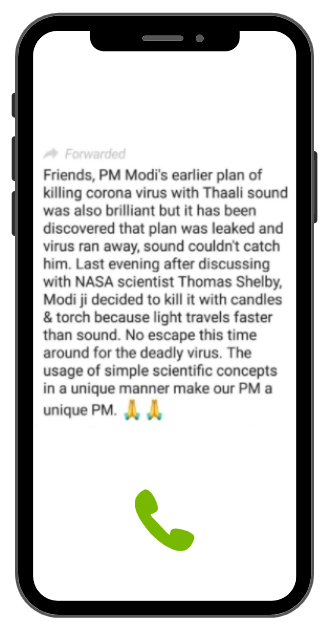
On other indirect interactions, I’ve observed that the creation of fake news on WhatsApp in India involves backing claims allegedly made by people who almost always have a westernized name or some sort of affiliation with a western organization.
Your life is more than your nationality
In today’s globalized world, a person’s geographic background is becoming lesser of an authentic indicator about them. As people experience drastically diverse circumstances by travelling frequently, or having others travel to where they are or via online experiences or even print media, their experiences, choices, thoughts shape their life journey differently.
How often have you had assumptions about a person and what they have to offer based on just their nationality? What does using your nationality in an introduction really mean?
It’s time to reflect so we can amend our identities and perceptions about people to be more realistic, respectable and true to the current circumstances, and honor ours and other’s life journeys and experiences.